
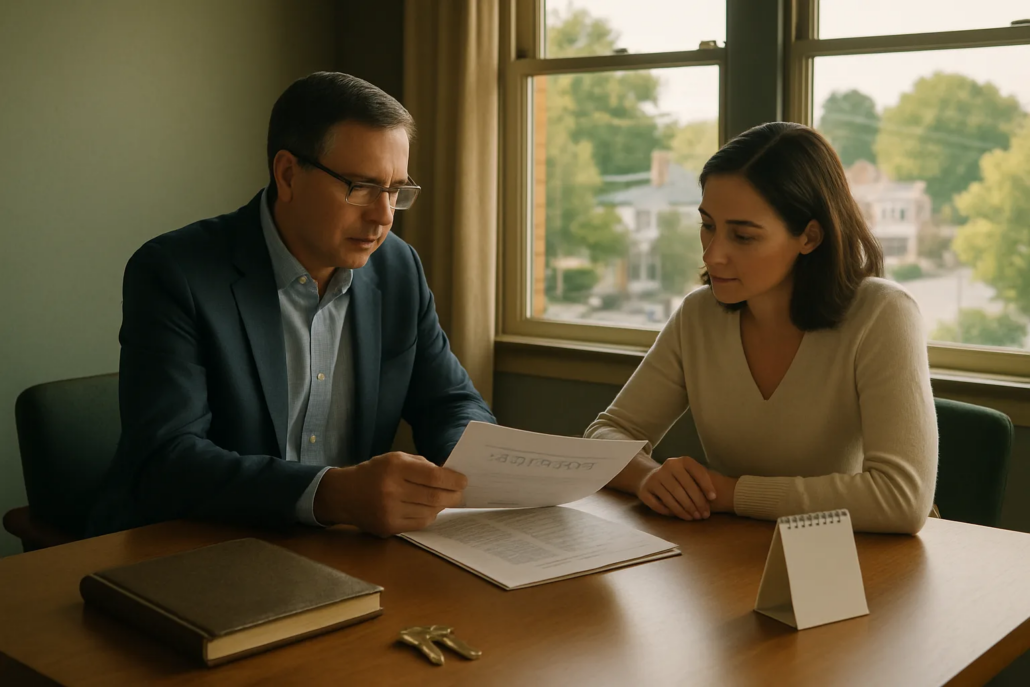
A family immigration case can become more complicated when the sponsoring relative is also the person who owns, manages, or financially supports a family business. If a sponsor dies during a family immigration case in White Plains, NY, the family may need to address immigration filings, business authority, estate administration, and household finances at the same time.
The result is not automatic in every case. The effect may depend on the sponsor’s role in the petition, the stage of the immigration process, the type of business entity, the governing documents, and whether another qualified person can step into a necessary role. The Bobb Law Firm can help families evaluate how these issues intersect without treating the business and immigration matter as separate problems.
This article discusses what may happen after death or incapacity, why business continuity documents matter, and which records and communications families commonly review with immigration, business, and estate-planning counsel.
What Happens When a Sponsor Dies During a Family Immigration Case?
A sponsor’s death does not produce one universal immigration result. The legal analysis may begin with identifying the sponsor’s exact role. A petitioner who filed a family-based immigrant petition may raise different issues from a financial sponsor who signed or expects to sign an Affidavit of Support. A beneficiary, derivative beneficiary, or household member may also be affected differently.
The stage of the matter is important. A petition may still be pending with U.S. Citizenship and Immigration Services (USCIS), an approved petition may be moving through consular processing with the U.S. Department of State, or the beneficiary may already be in the United States pursuing adjustment of status. Documents already filed, notices received, and deadlines approaching can all affect the review.
Immigration questions to identify promptly
In general, families and their attorneys may examine:
- Whether the deceased person was the petitioner, a financial sponsor, or both.
- Whether the underlying family relationship and petition remain legally viable.
- Whether a substitute sponsor, additional financial sponsor, or another procedural option may be available.
- Whether the beneficiary’s status, work authorization, or travel plans are affected.
- Whether USCIS or the Department of State needs formal notice and supporting records.
These questions are fact-specific. A family should avoid assuming that a business successor automatically becomes an immigration sponsor, or that an approved petition automatically guarantees the next step. In White Plains, NY, an immigration attorney may coordinate with business and estate counsel to assess the case as a complete set of facts.
How Can a Family Business Continue After the Sponsor’s Death?
A business does not necessarily transfer to the person who worked beside the deceased owner or had access to a company bank account. Continuity generally depends on the entity’s structure and its governing documents. For example, an LLC operating agreement, corporation’s shareholder agreement, buy-sell agreement, partnership agreement, bylaws, employment arrangements, and loan documents may each address authority or ownership in different ways.
Death and incapacity are also different events. A power of attorney may help an authorized agent manage certain matters during incapacity, subject to its terms and New York law. A power of attorney generally ends at death, after which authority may shift to an estate representative or another person recognized under the entity’s documents and applicable law.
A practical New York business continuity checklist
Business-owning families may wish to review the following categories with counsel before a crisis occurs:
- Operating and shareholder agreements: Confirm transfer restrictions, buyout provisions, voting rights, and procedures triggered by death or incapacity.
- Powers of attorney: Identify whether the documents cover business operations, banking, contracts, tax matters, and other relevant authority during incapacity.
- Successor managers: Name or identify people who can handle daily operations, payroll, vendors, compliance, and customer relationships if the owner cannot act.
- Beneficiary designations: Review life insurance, retirement accounts, and other assets, while confirming whether a designation aligns with the business documents and estate plan.
- Ownership and financial records: Maintain current certificates, ledgers, tax returns, financial statements, contracts, passwords, licenses, and immigration-related records.
- Communication instructions: Create a list of the professionals and agencies that may need timely notice, including counsel, accountants, banks, insurers, USCIS, or the Department of State.
This type of White Plains business succession planning is not limited to large companies. A small family corporation, professional practice, retail operation, or LLC may face the same authority gap if only one person knows how the business operates.
Which Mistakes Can Put the Business or Immigration Case at Risk?
Families often face pressure to keep the business running while preserving an immigration filing. Informal decisions can create confusion about who has authority, who owns an interest, and whether financial information remains accurate. Immigration forms and supporting evidence should not be changed casually, especially when the sponsor’s death changes the underlying facts.
Common issues to discuss with qualified professionals include:
- Waiting to locate the governing documents. The family may lose time if no one can find the operating agreement, shareholder records, insurance policies, or prior filings.
- Treating access as ownership. A person who can use a company card, online account, or office key may not have legal authority to transfer assets or sign contracts.
- Using an outdated financial picture. A sponsor’s death may change income, assets, household size, or support arrangements relevant to an immigration filing.
- Failing to preserve records. Payroll data, tax returns, ownership records, contracts, and immigration notices may later be important to explain continuity or changed circumstances.
- Assuming one professional handles every issue. Immigration, estate, family, and business law can overlap, but each area may require separate analysis and coordination.
- Ignoring family-law consequences. A surviving spouse, minor child, or other relative may have rights or responsibilities that affect estate administration, business ownership, or financial support.
Why prompt communication matters
A timely review can help identify deadlines, preserve evidence, and clarify who may communicate on behalf of the estate or business. Depending on the circumstances, counsel may help organize a chronology, collect agency notices, review entity records, and determine whether a filing or supplemental explanation is appropriate. In White Plains, NY, local business and estate administration issues may also involve Westchester County procedures, while the immigration matter remains governed primarily by federal law and agency requirements.
Frequently Asked Questions
Does a family immigration case automatically end if the sponsor dies?
No single answer applies to every case. The result can depend on whether the deceased person was the petitioner, financial sponsor, or another participant; the type of family relationship; and whether the matter is pending, approved, or in consular processing. Certain legal pathways or substitute-sponsor procedures may be available in some circumstances, but an attorney must review the filing history and current facts before assessing possible options.
Can a spouse or child take over the deceased owner’s business?
Not automatically. Ownership and management may be controlled by an operating agreement, shareholder agreement, will, trust, beneficiary designation, or estate-administration process. A spouse or child may have an interest in the estate without having immediate authority to sign contracts or operate a company. Business counsel and estate counsel can review the documents and explain how New York rules may apply.
Does a power of attorney remain effective after the sponsor dies?
Generally, a power of attorney is an incapacity-planning document rather than a post-death transfer of authority. Its terms and governing law matter, but authority commonly changes when the principal dies. The estate representative, entity documents, and applicable New York procedures may then become important. Families should have counsel confirm who can act for the business and estate before relying on prior authorization.
What records should a White Plains family gather first?
Useful records may include the immigration petition and receipt notices, agency correspondence, passports or identity records, the sponsor’s death certificate, tax returns, financial records, operating or shareholder agreements, ownership certificates, insurance information, wills or trusts, powers of attorney, and business contracts. The relevant documents vary by case. Preserving originals and a clear timeline can help attorneys evaluate the next steps.
How The Bobb Law Firm Can Help
The Bobb Law Firm is dedicated to helping families examine the connected immigration, business, and family-law concerns that may follow a sponsor’s death or incapacity. The firm can review the immigration history, business structure, estate documents, financial records, and family circumstances, then help identify questions requiring coordinated legal attention.
For families in White Plains, NY and throughout Westchester County, early communication may make it easier to organize records and understand available options. Contact The Bobb Law Firm for a free consultation or case evaluation. The firm is committed to fighting for clients’ rights and is ready to evaluate your situation without promising a particular outcome.
The information in this article is for educational purposes only and does not constitute legal advice. Contact a qualified attorney licensed in White Plains, NY for advice specific to your situation.